Hello, subscriber. This is Vueron Letter, delivering the latest news to you.
Autonomous driving is moving beyond the question of “Is it possible?” and into a new stage: “How safely can it be commercialized?”
In this newsletter, we explore the next key issues in autonomous driving
commercialization through Lucid’s robotaxi architecture, Tesla’s crash disclosures,
and Gwangju’s plan to build a future mobility safety test center. |
✅ Inside Lucid’s Next-Gen Robotaxi Architecture ✅ Tesla Reveals two Robotaxi Crashes Involving Teleoperators ✅ Gwangju to Build Future Mobility Safety Test Center ✅ Hyundai Mobis Hosts US 'Mobility Day' for AI & Robotics |
📰 Inside Lucid’s Next-Gen Robotaxi Architecture |
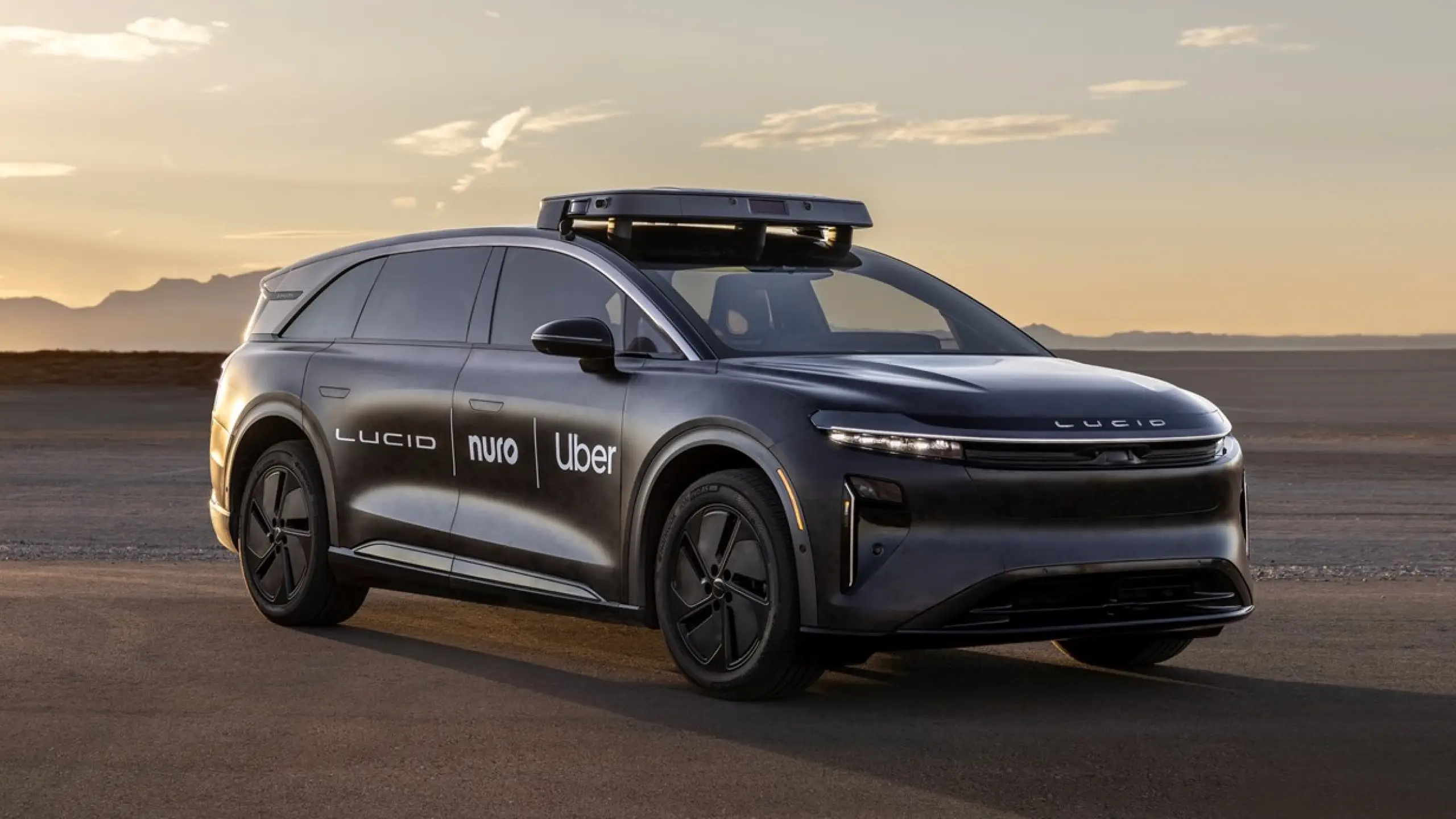
Lucid Motors is developing an autonomy-first architecture for its next-generation robotaxi service with Uber and Nuro. Unlike conventional vehicles designed for human drivers and later adapted for autonomy, the Lucid Gravity platform was engineered from the start for robotaxi operations. It continuously processes real-time data, makes driving decisions on the road, and allows passengers to work, read, or relax during the ride. Key safety features, including steering and braking redundancy, were built into the platform from the earliest design stages. |
📰 Tesla Reveals two Robotaxi Crashes Involving Teleoperators |
Tesla disclosed details of 17 previously reported robotaxi incidents in Austin, Texas, in filings with the NHTSA. The reports include two crashes that occurred after remote operators took control, as well as incidents involving autonomous driving, such as a collision with a dog, a metal chain, roadside structures, curbs, and a utility pole. Most other cases involved low-speed or stopped Tesla vehicles being hit. Tesla said it removed confidential and personal information to make the crash details public. |
📰 Gwangju to Build Future Mobility Safety Test Center |
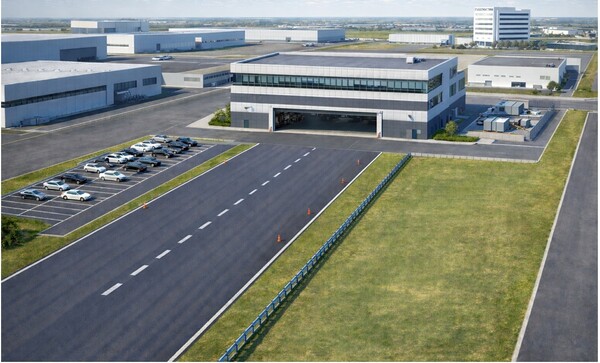
Gwangju City has secured KRW 9.9 billion in national funding to build a Future Mobility Perception Components Functional Safety Test Center by 2030, with a total project budget of KRW 20.7 billion. The center will test the safety and reliability of key perception components such as LiDAR, cameras, and radar for autonomous vehicles, robots, and UAM, while helping companies meet international safety standards and expand overseas. |
📰 Hyundai Mobis Hosts US 'Mobility Day' for AI & Robotics |
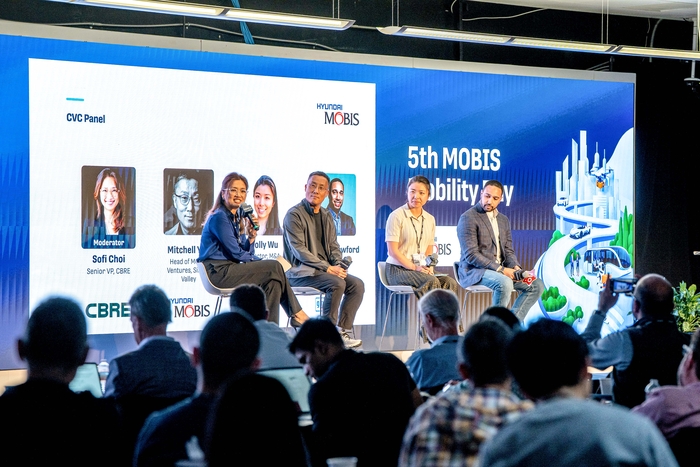
Hyundai Mobis hosted the '5th Mobis Mobility Day' in Silicon Valley on the 18th, with a record-breaking attendance of over 400 people. Focused on robotics and physical AI, the event allowed the company to share its mid-to-long-term business strategies with local startups and investors. The goal is to expand collaborative efforts beyond traditional auto parts into new business sectors. Hyundai Mobis also plans to host additional Mobility Day events in Asia in the second half of the year to discover more promising tech companies. |
How did you like this newsletter?
Take a quick survey and help us bring you even more valuable content next time. |
Your feedback helps make the Vueron Letter even better! |
Vueron | What is Vueron up to these days? Visit our website and blog to learn more. |
Vueron Technology 2150 N First St, Suite 509, San Jose, CA 95131, US |
|
|