European Autonomous Driving Is Finally Entering the Commercialization Stage?! Don’t Miss Summit 2026 Recap

Autonomous AI Foundry: Vueron’s Sharp Insights ‌ ‌ ‌ ‌ ‌ ‌ ‌ ‌ 
default image
Hello, subscriber.
This is Vueron Letter, delivering the latest news to you.

This week, while the competition in Europe intensifies with Luxembourg's joint testing and Switzerland's Level 4 autonomous driving approval, industrial sites are driving innovation by introducing LiDAR technology to mining trucks.

Finally, we break down key global market issues through our review of the Automated Mobility Summit 2026 from Vueron’s perspective.

Check out this week's detailed news below!

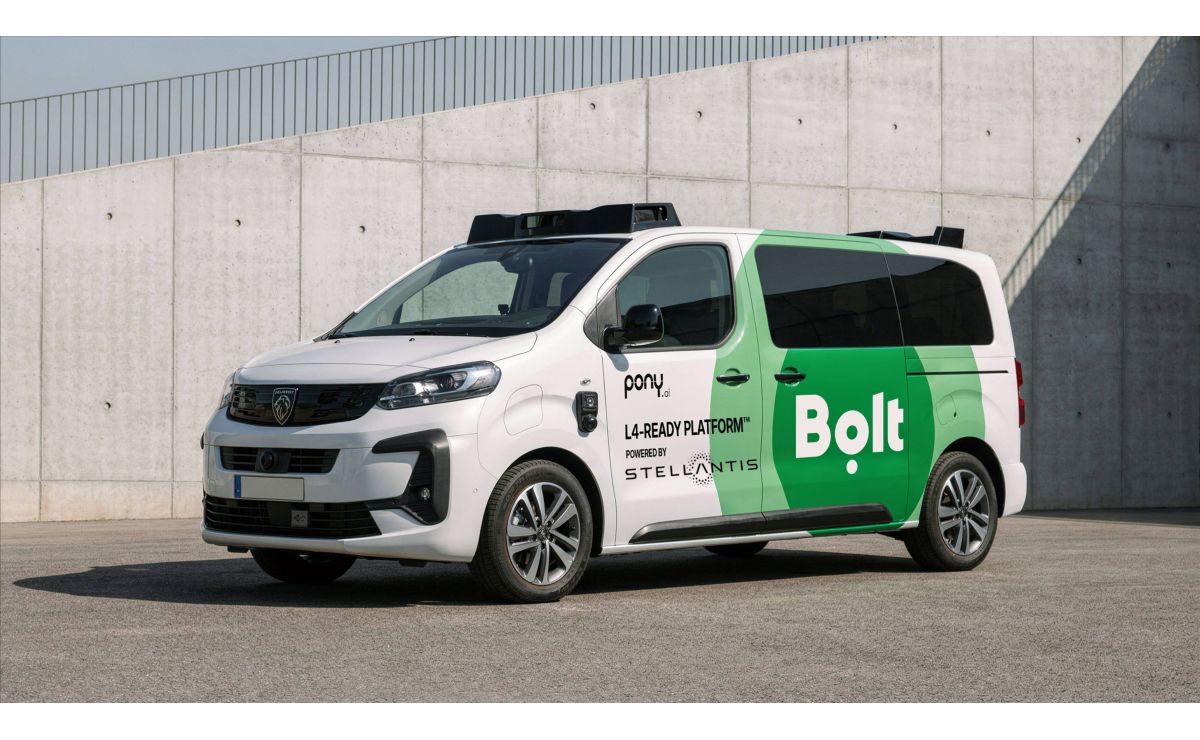
✅ Bolt, Pony.ai and Stellantis to Test Autonomous Mobility in Luxembourg
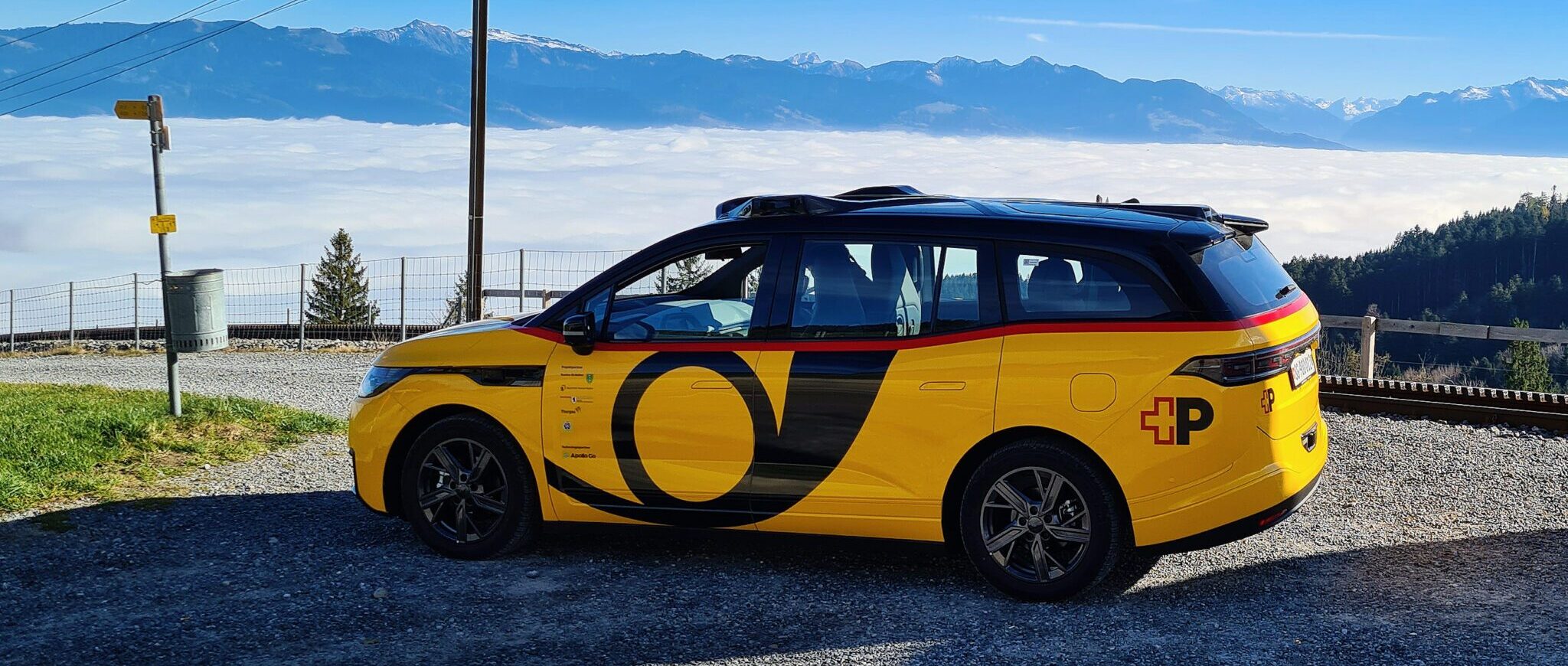
✅ Apollo Go wins Level 4 permit for Switzerland operations
✅ Caterpillar Picks MicroVision LiDAR for Autonomous Trucks
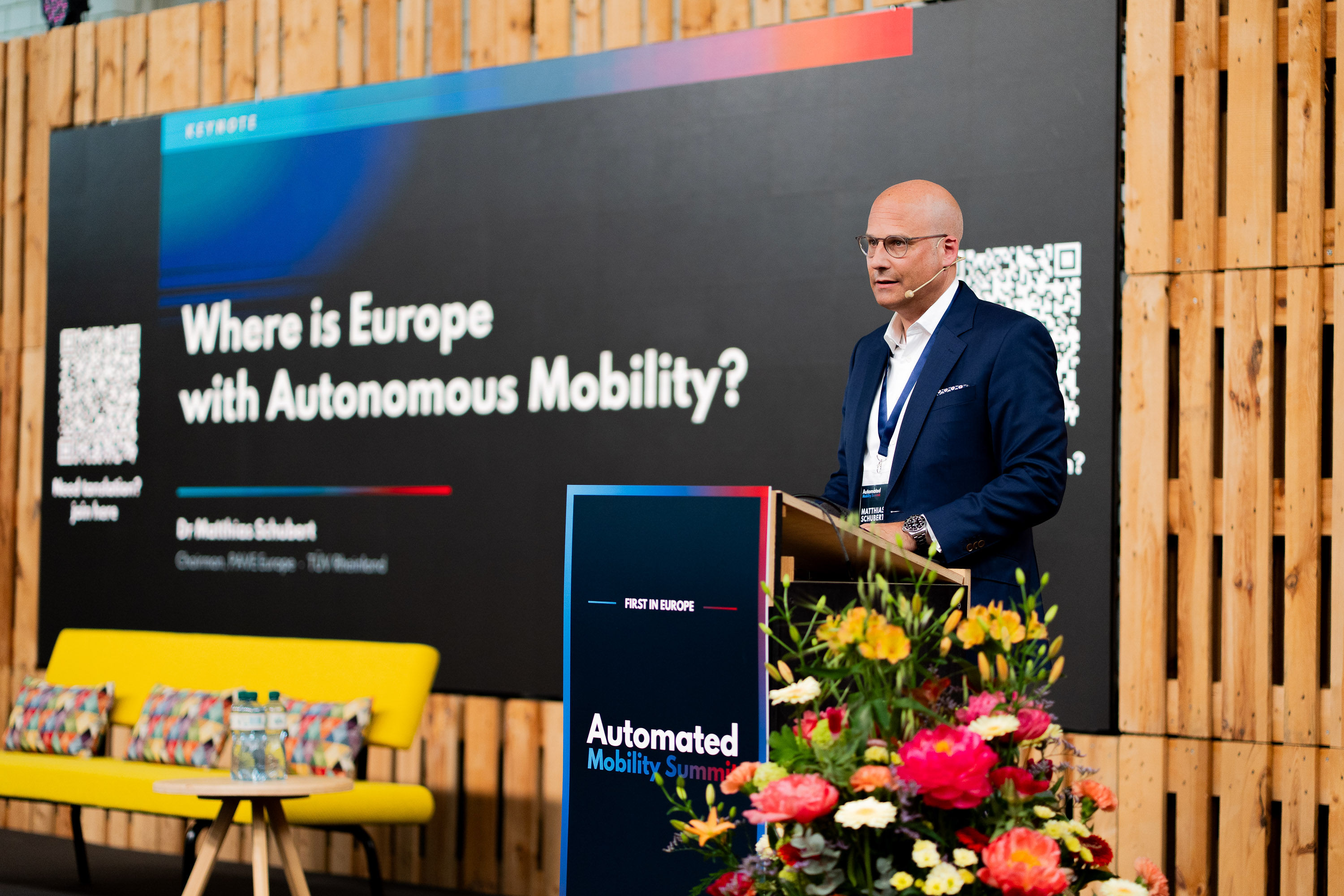
✅ Recap, Automated Mobility Summit 2026 in Zurich

default image
📰 Bolt, Pony.ai and Stellantis to Test Autonomous Mobility in Luxembourg
default image
Bolt, Pony.ai, and Stellantis are launching a "Living Lab" pilot in Luxembourg to validate autonomous vehicle safety and performance in urban traffic. Utilizing Stellantis L4-ready vans and Pony.ai technology on the Bolt platform, the partnership aims to achieve fully driverless operation.
Read the full article (Click)
📰 Apollo Go wins Level 4 permit for Switzerland operations
default image
Baidu's Apollo Go, in partnership with Swiss Post's PostBus, has received a Level 4 operating permit for its 'Amigo' autonomous mobility service from Switzerland's Federal Roads Office. Open-road trials with a safety operator have commenced across an 80 km² area in Eastern Switzerland. The service aims to transition to fully driverless operations, targeting regular commercial launch by early 2027.
Read the full article (Click)
📰 Caterpillar Picks MicroVision LiDAR for Autonomous Trucks
default image
Caterpillar has signed a long-term Master Development Agreement (MDA) with MicroVision to integrate its 3D digital LiDAR and perception technologies into autonomous haulage system (AHS) mining trucks. The initial configuration deploys two Iris LiDAR sensors per off-highway truck, with a defined upgrade path to next-generation Halo sensors. This collaboration aims to enhance onboard environment awareness, obstacle detection, and self-rerouting capabilities, maximizing safety and productivity within mixed autonomous and manned fleets in heavy industrial environments like quarries.
Read the full article (Click)

default image
🚀​ Autonomous driving moves from "testing" to "commercialization."
Here is a compact breakdown of the core insights from
the Automated Mobility Summit 2026 in Zurich, Switzerland, from Vueron’s perspective.
default image
Autonomous Vehicles Are Finally Hitting the Road
For years, autonomous vehicles have been described as something
that is “just around the corner.”
But recently, the mood in Europe has started to shift.
At the Automated Mobility Summit 2026, held on May 4–5 at Innovation Park Zurich in Switzerland, industry leaders discussed how automated mobility could move beyond the pilot stage and expand into real commercial services. The event brought together around 300 attendees and more than 30 speakers, and also featured live vehicle demonstrations.

🇨🇭Automated Mobility Summit 2026: Key Takeaways
👉 The European autonomous driving market is now moving from pilot projects toward commercialization.
👉 Technology alone is not enough. Regulation, liability, safety validation, and public trust have emerged as key challenges.
👉 Switzerland is gaining attention as a major testbed for autonomous vehicle trials and deployment in Europe, with multiple projects already underway.

Autonomous Driving Is Not Something Automakers Can Solve Alone
One of the key messages from the summit was clear: autonomous driving is no longer a distant future technology. It has entered a practical stage where commercialization must now be seriously prepared.
However, this does not mean that the era of fully autonomous driving will arrive overnight. Many challenges remain, including accident liability, safety verification, city-by-city regulations, and user trust. The summit emphasized that automakers, technology companies, operators, insurers, and public institutions must work together to move the industry forward.

How Far Has Autonomous Driving Come in Europe?
On the first day of the event, discussions focused on the commercialization potential of autonomous driving in Europe. Companies and organizations such as Waymo, Baidu, Bolt, Einride, and Deloitte noted that while the technology has advanced significantly, there are still many pieces to put in place before it can scale as a real service including regulation, operations, and trust.
Autonomous driving was also highlighted as more than just a technology that replaces human drivers. It was discussed as a way to provide new mobility options for older adults and people with limited access to transportation, while also helping address driver shortages in the logistics and freight sectors.

Why Switzerland Is in the Spotlight
On the second day, Switzerland’s autonomous driving initiatives took center stage. The country is gaining attention as a key testbed for autonomous vehicle deployment, with the government, research institutions, and companies working together on real-road trials.
SAAM introduced eight driverless mobility projects currently underway in Switzerland, including remote-supervision-based trials and a plan to deploy 100 autonomous vehicles by 2028. Key examples included an autonomous public bus in Zurich, on-demand mobility services, robotaxis, and airport-based autonomous vehicle testing.


💬 Vueron’s Comment
The key question for the autonomous driving industry is shifting from “Is the technology possible?” to “Is society ready to accept it?”
Switzerland’s case shows that commercialization is not just about vehicle technology. It requires cities, transport policies, safety standards, and user experience to be designed together.
Ultimately, the next stage of autonomous driving is not only about building smarter vehicles. It is about creating services people can trust, regulatory systems that governments can manage, and sustainable business models for companies. This summit marked a turning point where autonomous driving moved from a future technology to a present-day deployment challenge.

default image
How did you like this newsletter?
Take a quick survey and help us bring you even more valuable content next time.
Loved it
Needs work
Your feedback helps make the Vueron Letter even better!

default image
Vueron | What is Vueron up to these days?
Visit our website and blog to learn more.
Go to Website
💻 For more details on Vueron’s technologies and solutions, Visit our website
💡 For easy-to-understand industry insights, Check out our blog
📂 Want to catch up on previous newsletters?
Visit our archive
Vueron Technology
2150 N First St, Suite 509, San Jose, CA 95131, US
homepage
youtube
linkedin

Insights on Autonomous AI,
delivered to your inbox

Vueron Letter is a weekly newsletter
that delivers key updates on the future of Autonomous AI