Autonomous Vehicles Are Finally Hitting the Road
For years, autonomous vehicles have been described as something
that is “just around the corner.”
But recently, the mood in Europe has started to shift.
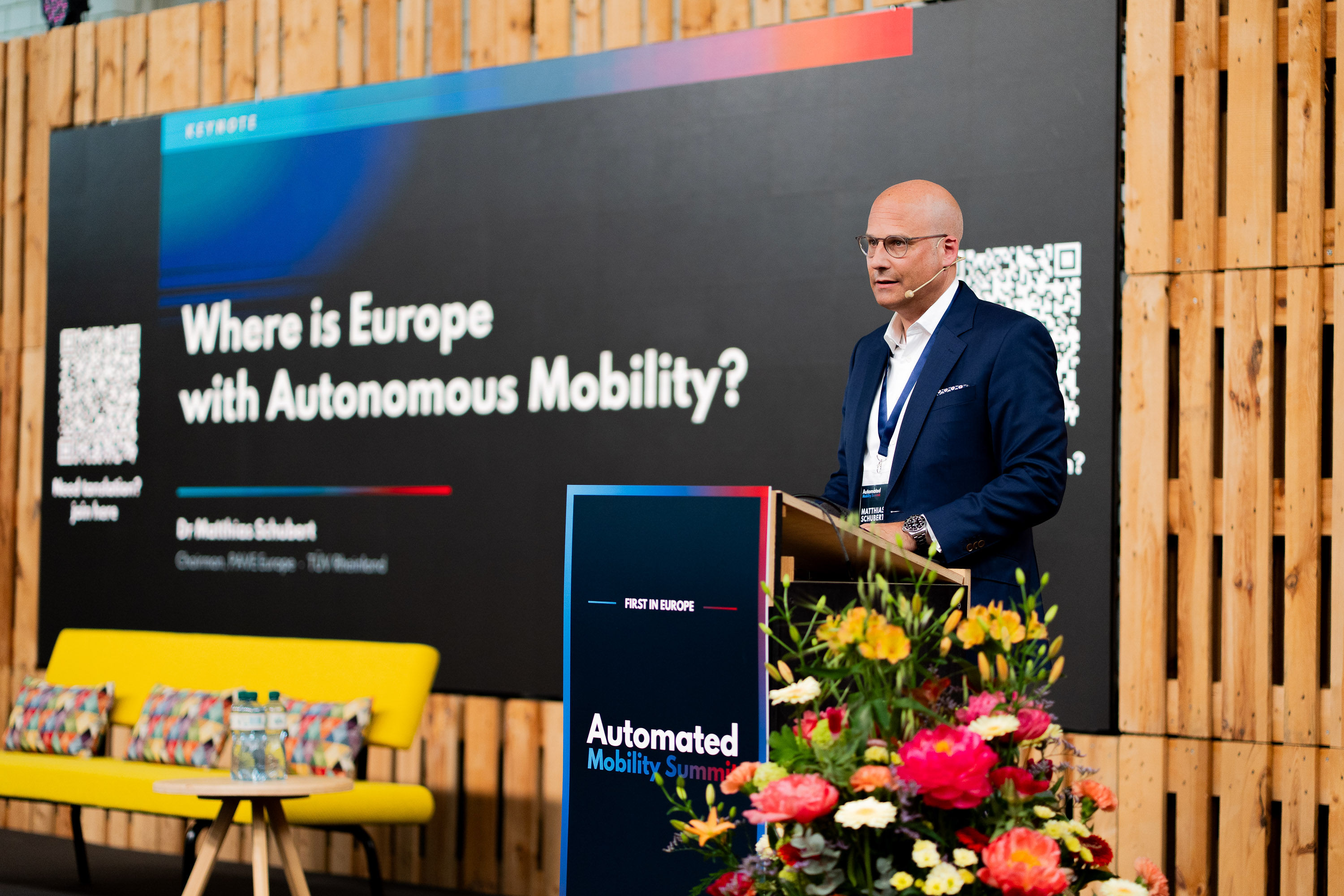
At the Automated Mobility Summit 2026, held on May 4–5 at Innovation Park Zurich in Switzerland, industry leaders discussed how automated mobility could move beyond the pilot stage and expand into real commercial services. The event brought together around 300 attendees and more than 30 speakers, and also featured live vehicle demonstrations.
🇨🇭Automated Mobility Summit 2026: Key Takeaways
👉 The European autonomous driving market is now moving from pilot projects toward commercialization.
👉 Technology alone is not enough. Regulation, liability, safety validation, and public trust have emerged as key challenges.
👉 Switzerland is gaining attention as a major testbed for autonomous vehicle trials and deployment in Europe, with multiple projects already underway.
Autonomous Driving Is Not Something Automakers Can Solve Alone
One of the key messages from the summit was clear: autonomous driving is no longer a distant future technology. It has entered a practical stage where commercialization must now be seriously prepared.
However, this does not mean that the era of fully autonomous driving will arrive overnight. Many challenges remain, including accident liability, safety verification, city-by-city regulations, and user trust. The summit emphasized that automakers, technology companies, operators, insurers, and public institutions must work together to move the industry forward.
How Far Has Autonomous Driving Come in Europe?
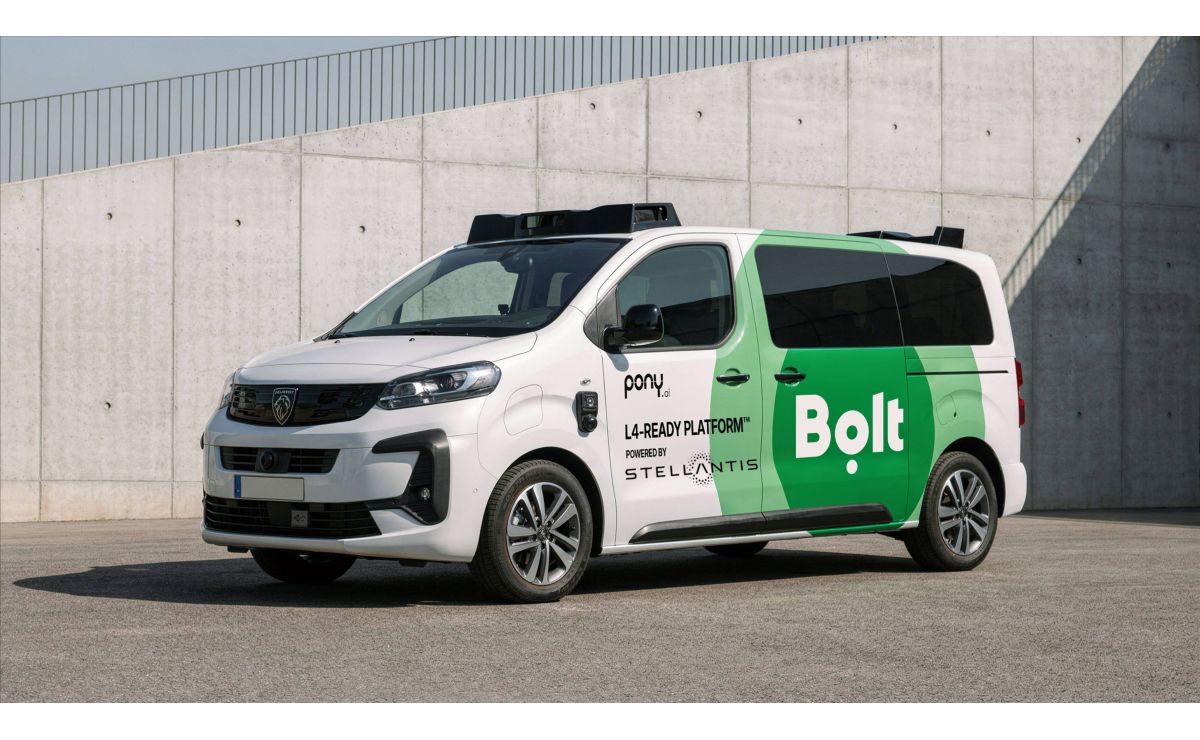
On the first day of the event, discussions focused on the commercialization potential of autonomous driving in Europe. Companies and organizations such as Waymo, Baidu, Bolt, Einride, and Deloitte noted that while the technology has advanced significantly, there are still many pieces to put in place before it can scale as a real service including regulation, operations, and trust.
Autonomous driving was also highlighted as more than just a technology that replaces human drivers. It was discussed as a way to provide new mobility options for older adults and people with limited access to transportation, while also helping address driver shortages in the logistics and freight sectors.
Why Switzerland Is in the Spotlight
On the second day, Switzerland’s autonomous driving initiatives took center stage. The country is gaining attention as a key testbed for autonomous vehicle deployment, with the government, research institutions, and companies working together on real-road trials.
SAAM introduced eight driverless mobility projects currently underway in Switzerland, including remote-supervision-based trials and a plan to deploy 100 autonomous vehicles by 2028. Key examples included an autonomous public bus in Zurich, on-demand mobility services, robotaxis, and airport-based autonomous vehicle testing.